

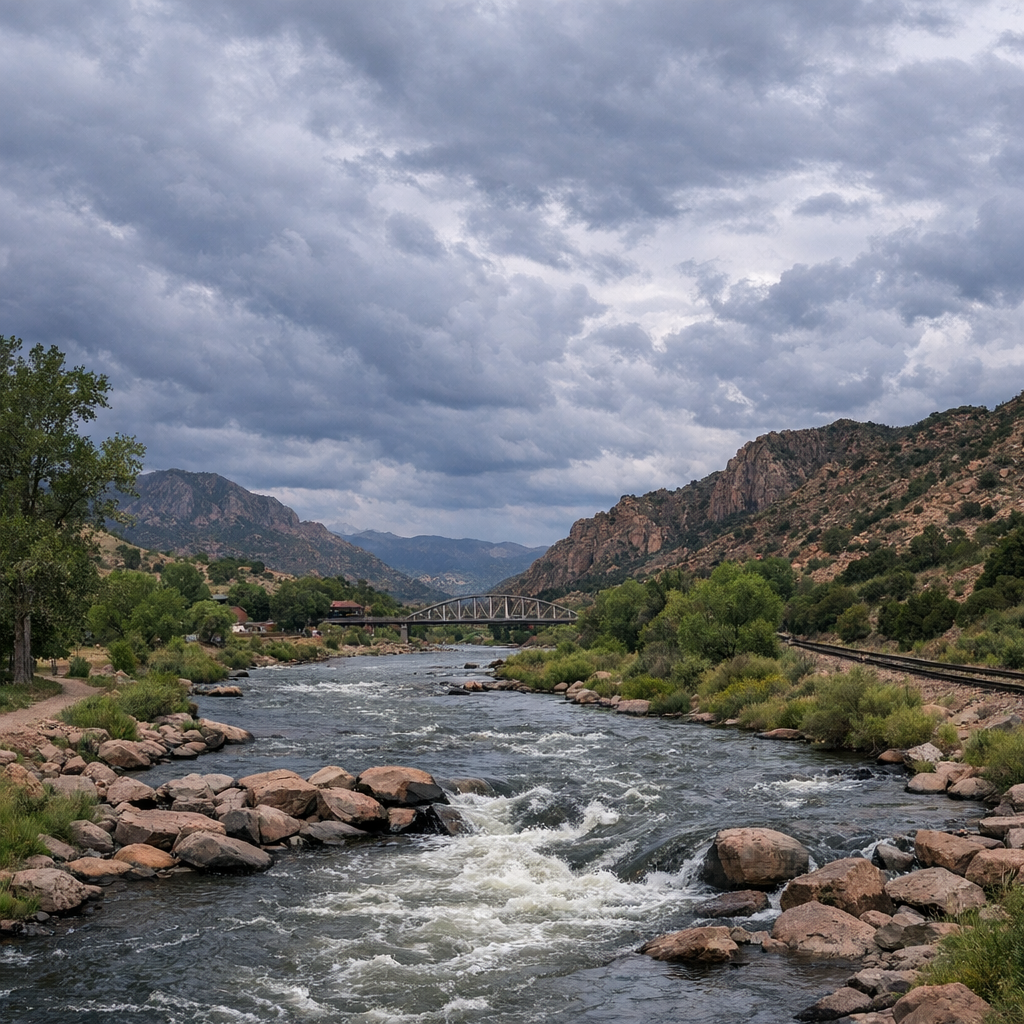
Hi, I’m Alexander Mitchell, reporting from Cañon City on the latest in weather and environment where I live. These are things I’ve dug into so our community has better insight into what to expect and how we can help keep our home healthy.
Climate Overview: What to Expect Through the Year
Cañon City’s climate offers big swings. In winter, overnight lows can dip into the teens (°F), while summers bring highs pushing the upper 80s. Rainfall patterns show heavy rain in July and August—when thunderstorms and higher humidity arrive—and a much drier stretch from late fall through early spring. Snowfall is meaningful, particularly between late fall and spring, though it tapers off as summer nears. Frost dates vary: sensitive plants should watch for last spring frost near mid-April and first frost around mid-October. These are averages over time, not guarantees.
Recent Water Quality Issues Related to Drought and Smell Concerns
In recent weeks, many residents noticed a musty smell and odd taste in tap water. That odor—linked to geosmin—is caused by algae blooms during warm temperatures combined with slower river flow and higher water age in treatment systems. While it’s unpleasant, public health officials affirm the water remains safe to drink. All required tests for bacteria and regulated contaminants have passed. Low levels of geosmin are naturally occurring and not regulated as health hazards.
Departments have been adjusting treatment processes—such as using chlorine dioxide, optimizing water storage turnover, and flushing lines—to remove the smell and improve water freshness. Simple household actions, like filtering drinking water and reporting ongoing odor complaints, help too.
Work You Can Do Around Home and Yard
Stormwater runoff, chemical use in landscaping, automotive fluids, and pet waste all contribute to local waterway pollution. Whether it’s your yard or driveway, consider:
- Using less fertilizer and only applying it when heavy rain isn’t forecast;
- Picking up pet waste so it doesn’t wash into ditches;
- Cleaning up oil or drips from vehicles and using spill absorbents rather than letting them enter storm drains.
Also, if you have wells, it’s worth testing them periodically—past sampling showed some private wells exceeded uranium levels deemed safe. Ensuring well water safety helps everyone, since aquifers and surface waters are interconnected over time.
Preparing for Seasonal Change
As days shorten and temperatures moderate, fall can bring sudden swings—warm afternoons but chilly nights. Keep those hardier plants protected, and adjust watering schedules as natural rainfall picks up or tapers off. Use frost cloths or coverings when needed. Catching these shifts early helps reduce stress on plants and saves water.
Finally, monitoring air quality—especially during wildfire season—is increasingly important. Smoke from regional fires can travel long distances, affecting breathing and daily activity even if the fire is far away.